
Bedding Fabric
Which Bedding Fabric Is Practical for Retail or Hotel Programs?
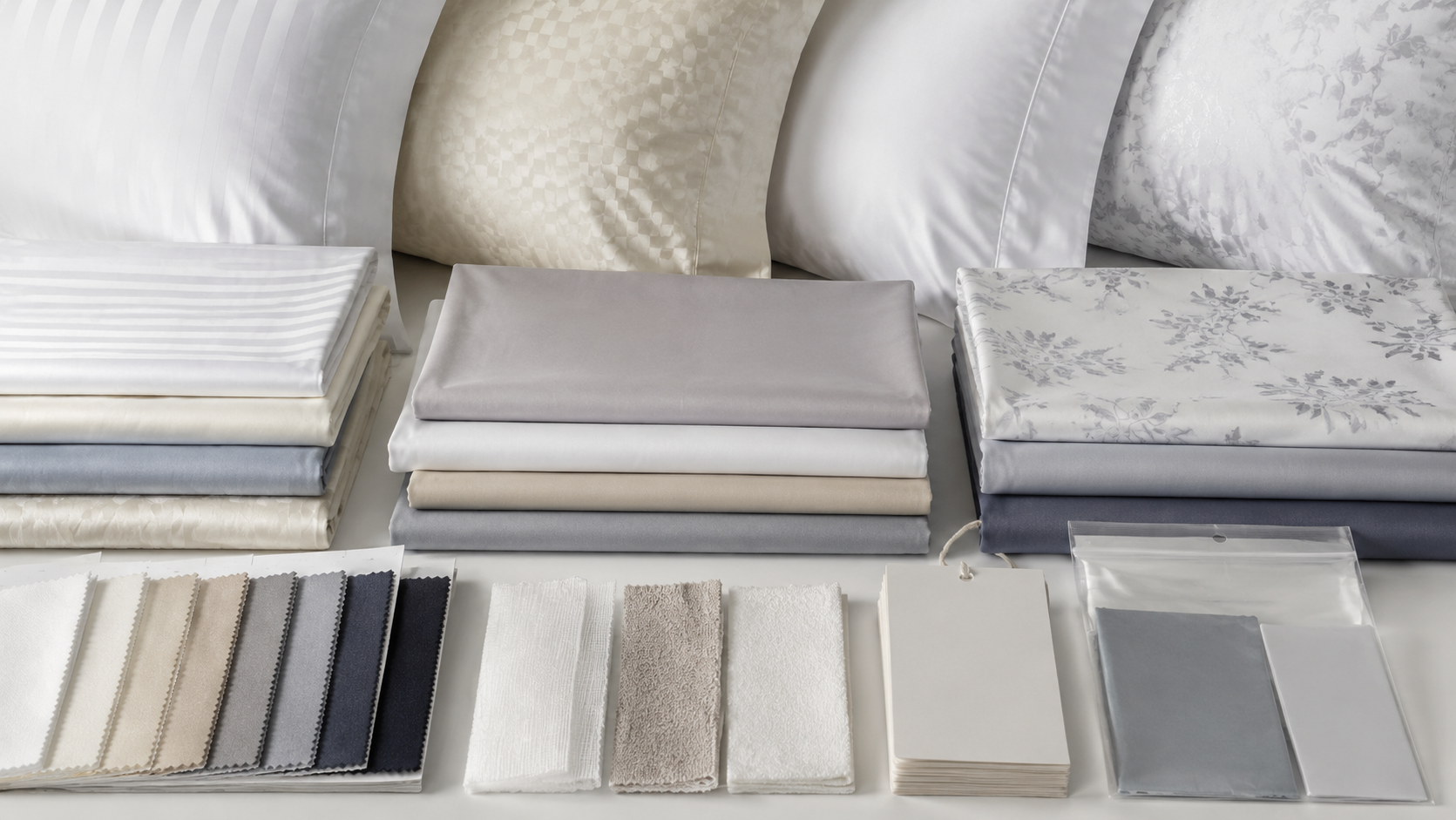
Practical bedding fabric depends on market position, touch, washing expectation, print or jacquard needs, sewing details, packaging, and order structure. Retail bedding, hotel bedding, and ecommerce bedding should not always use the same fabric direction.
Practical bedding fabric selection balances hand feel, durability, appearance, care expectation, packaging, and target market.
The most practical bedding fabric is the one that fits the target user, care expectation, price level, and sales channel. Cotton, microfiber, linen blend, printed fabric, and yarn-dyed fabric can all be valid directions, but they should not be treated as interchangeable. Each fabric direction changes hand feel, appearance, washing expectation, cost, and packaging presentation.
| Decision point | What the buyer should confirm | Why it matters |
|---|---|---|
| Target channel | Hotel, retail, ecommerce, dorm, private label, or promotional bedding. | The channel changes fabric, packaging, durability, and price expectations. |
| Fabric direction | Cotton, microfiber, jacquard, printed, yarn-dyed, or buyer-specified material. | Each direction changes touch, washing, printing, sewing, and cost. |
| Design execution | Solid color, print, jacquard, embroidery, piping, or label detail. | Design features should be sampled on the actual fabric. |
| Packaging | Zipper bag, paper insert, box, carton pack, or private label presentation. | Bedding fabric and folding method affect how the product looks in packaging. |
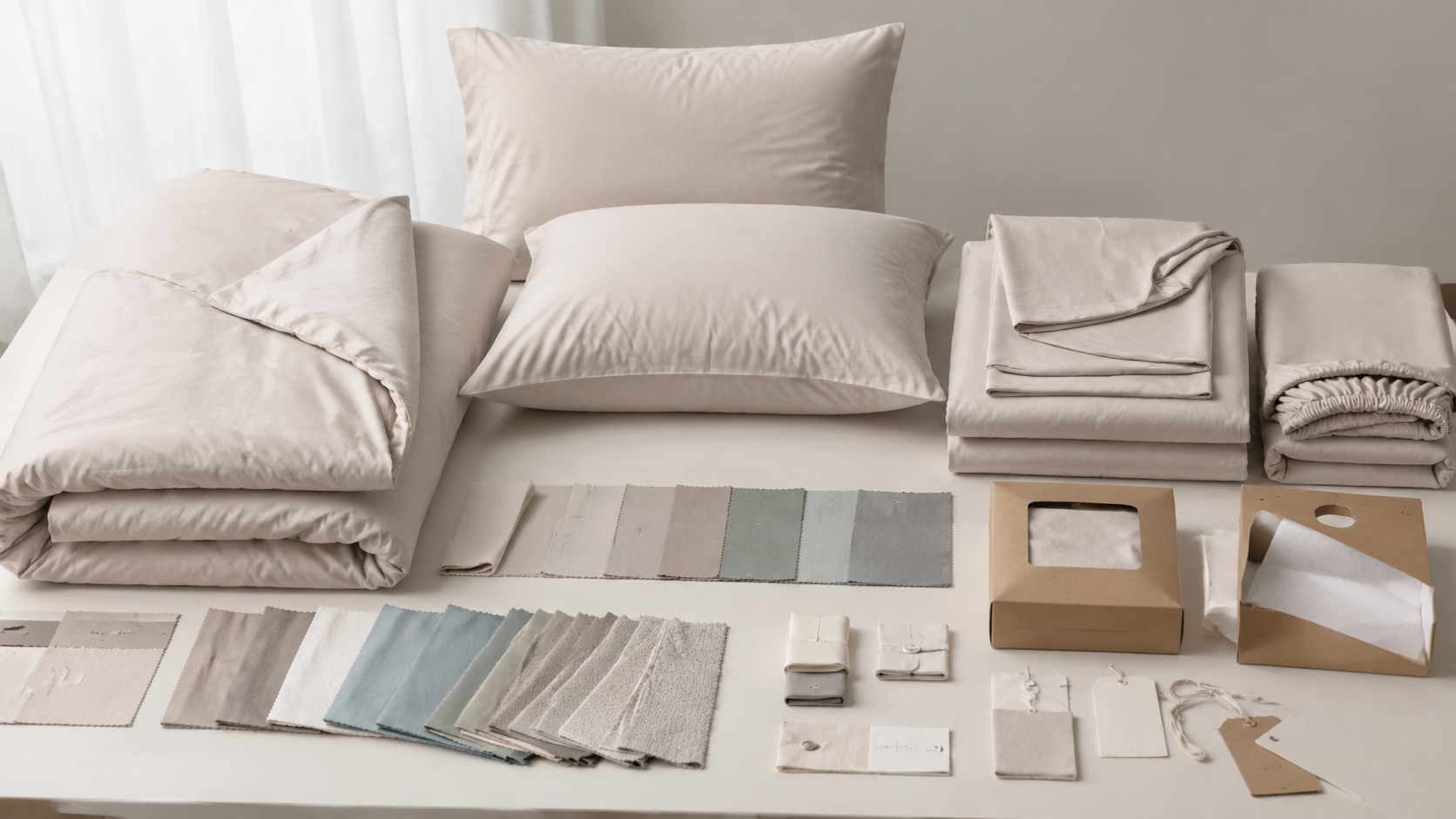
Use the sales channel and care expectation to decide which fabric direction is practical.
- Define whether the program is hotel, retail, ecommerce, dormitory, private label, or promotional bedding.
- Compare hand feel, washing practicality, wrinkle expectation, color stability, sewing, and packed presentation.
- Approve fabric together with component list, closure details, label positions, and packaging.
A fabric approval record keeps the buyer from approving a swatch in isolation. It connects fabric direction with component list, sewing details, labels, packaging, and channel expectations.
For B2B buyers, fabric selection should begin with the bedding set role. A hotel program may need durability, easy care, and repeatable supply. A retail brand may need color, texture, packaging, and shelf appeal. An ecommerce seller may need clear product claims, consistent photos, and reliable customer experience.
Practical bedding fabric is not just the fabric that feels best in a swatch. It is the fabric that still makes sense after sewing, washing expectations, packing, photography, retail display, and reorder planning are considered. A hotel buyer, ecommerce seller, and retail brand may all choose different directions for good reasons.
Cotton bedding for natural hand feel
Cotton is a familiar direction for bedding because many buyers associate it with comfort and natural touch. Cotton bedding still needs clear decisions on fabric construction, weight, color, printing or dyeing, shrinkage expectation, and care label. Buyers should confirm whether the project needs plain color, printed pattern, yarn-dyed effect, or embroidery.
Microfiber for practical price and easy care direction
Microfiber bedding is often discussed for price-sensitive retail, ecommerce, dorm, or everyday bedding programs. It can offer smooth touch and practical care, but it should be sampled to confirm hand feel, thickness, color, and sewing details. Microfiber is not the same as cotton, so product positioning and customer expectation should be clear.
Linen blend and textured fabrics
Linen blend or textured bedding can support a more relaxed visual style. These fabrics may be chosen for retail presentation or seasonal collections, but buyers should review hand feel, wrinkle expectation, color, and care instruction. The texture that looks attractive in photography should still be practical for the target customer.
Printed and yarn-dyed bedding
Printed bedding allows pattern direction and retail differentiation. Yarn-dyed bedding can create a woven color effect. Both directions require artwork, color reference, fabric selection, and sample review. Buyers should confirm repeat pattern, color tolerance, label, packaging, and carton marking before bulk production.
Hotel bedding vs retail bedding
Hotel bedding often prioritizes washing practicality, stable color, clean appearance, and replenishment. Retail bedding may prioritize packaging, visual story, softness, and component clarity. A fabric that works for one channel may not work for another. That is why destination market and sales channel should be included in the RFQ.
Hotel bedding often asks for a clean and repeatable specification. Retail bedding may need more visual story, packaging detail, and color planning. Ecommerce bedding has to survive both customer reviews and shipping constraints. The practical fabric is the one that fits that channel's risk, not the one with the most attractive name.
How to compare bedding fabric samples
Review hand feel, thickness, color, sewing, closure, shrinkage direction, label placement, and packaging fit. If the bedding is sold as a set, evaluate the full set together, not just a fabric swatch. The buyer should also check whether the packaging clearly communicates components and size.
Match bedding fabric to channel and care expectations
A practical bedding fabric is the one that fits the target channel. Hotel, ecommerce, retail, dormitory, and private label programs may need different priorities: washing practicality, softness, wrinkle expectation, color stability, packed appearance, or price level.
Buyers should compare fabric direction together with component list, size chart, closure details, labels, packaging, and sample approval points. Fabric that looks attractive in a swatch still needs to work in the finished set.
Bedding fabric approval record
Before moving forward, confirm fabric direction, color, component list, finished sizes, sewing and closure details, label positions, packaging style, and sample review notes. If testing or certification claims are required, confirm document scope before using them publicly.
If the buyer is between two fabric directions, ask for samples that answer the channel risk. For hotel, check washing practicality and repeatability. For retail, check color, hand feel, packed presentation, and artwork fit.
- Target channel and expected quality level.
- Component list and size chart.
- Fabric direction, color, print, jacquard, or embroidery needs.
- Label, packaging, barcode, and carton mark requirements.
- Sample approval points: touch, shrinkage direction, color, sewing, and packed appearance.
- Do not select fabric without confirming the component list.
- Do not compare cotton, microfiber, and jacquard bedding as identical products.
- Do not approve print or embroidery on a different fabric from bulk production.
FAQ
Is cotton better than microfiber for bedding?
It depends on the target market. Cotton often supports natural hand feel, while microfiber can support practical price and easy care direction.
What fabric is practical for hotel bedding?
Hotel bedding usually needs washing practicality, repeatable supply, stable color, and clear specifications.
Should I choose printed or yarn-dyed bedding?
Choose by design goal, price level, and sample result. Both require artwork and color confirmation.
What should I send before bedding fabric sampling?
Send fabric direction, component list, size chart, color or artwork, closure details, packaging plan, quantity, and destination market.