
Sample Development
What to Send Before Sample Development for Towels, Blankets, and Bedding
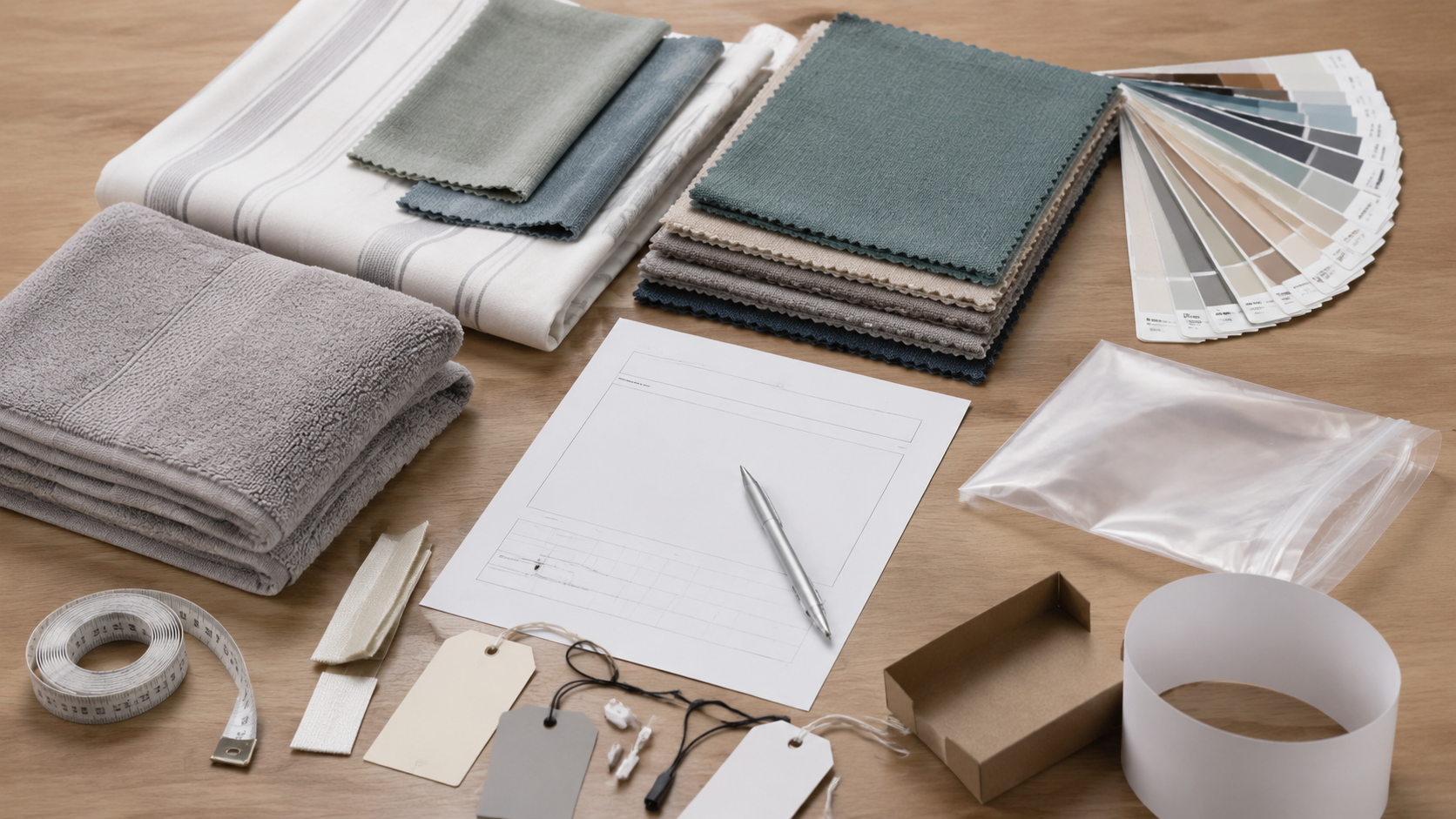
A sample request should explain what the sample must prove. Buyers should send product specification, reference photo, material direction, size, color, logo artwork, label and packaging requirements, quantity direction, destination market, and approval criteria.
A useful sample brief gives the supplier enough detail to make a sample that can actually be approved or corrected.
In a real buying conversation, the question is not only whether a sample can be made. The better question is what the sample is supposed to prove. That difference often separates a useful prototype from a very expensive guess.
Sample development is most useful when the supplier knows what the sample is supposed to prove. A sample can confirm hand feel, size, GSM, color, logo placement, stitching, packaging, or full product presentation. If the buyer does not define the purpose, the sample may look acceptable but still fail the real order requirement.
| Decision point | What the buyer should confirm | Why it matters |
|---|---|---|
| Product definition | Towel, blanket, bedding component, size, material, weight/GSM, color, and use case. | The sample cannot prove the right thing if the product is not clearly defined. |
| Reference material | Photo, physical sample, fabric swatch, current packaging, or competitor benchmark. | References reduce misunderstanding about touch, color, texture, and presentation. |
| Branding and packaging | Logo artwork, label, hang tag, barcode, bag, box, insert card, and carton marks. | Private label samples should include the presentation buyers need to approve. |
| Approval criteria | What must be checked: hand feel, size, color, logo, packaging fit, washing direction, or carton plan. | Clear approval points reduce repeated sample revisions. |
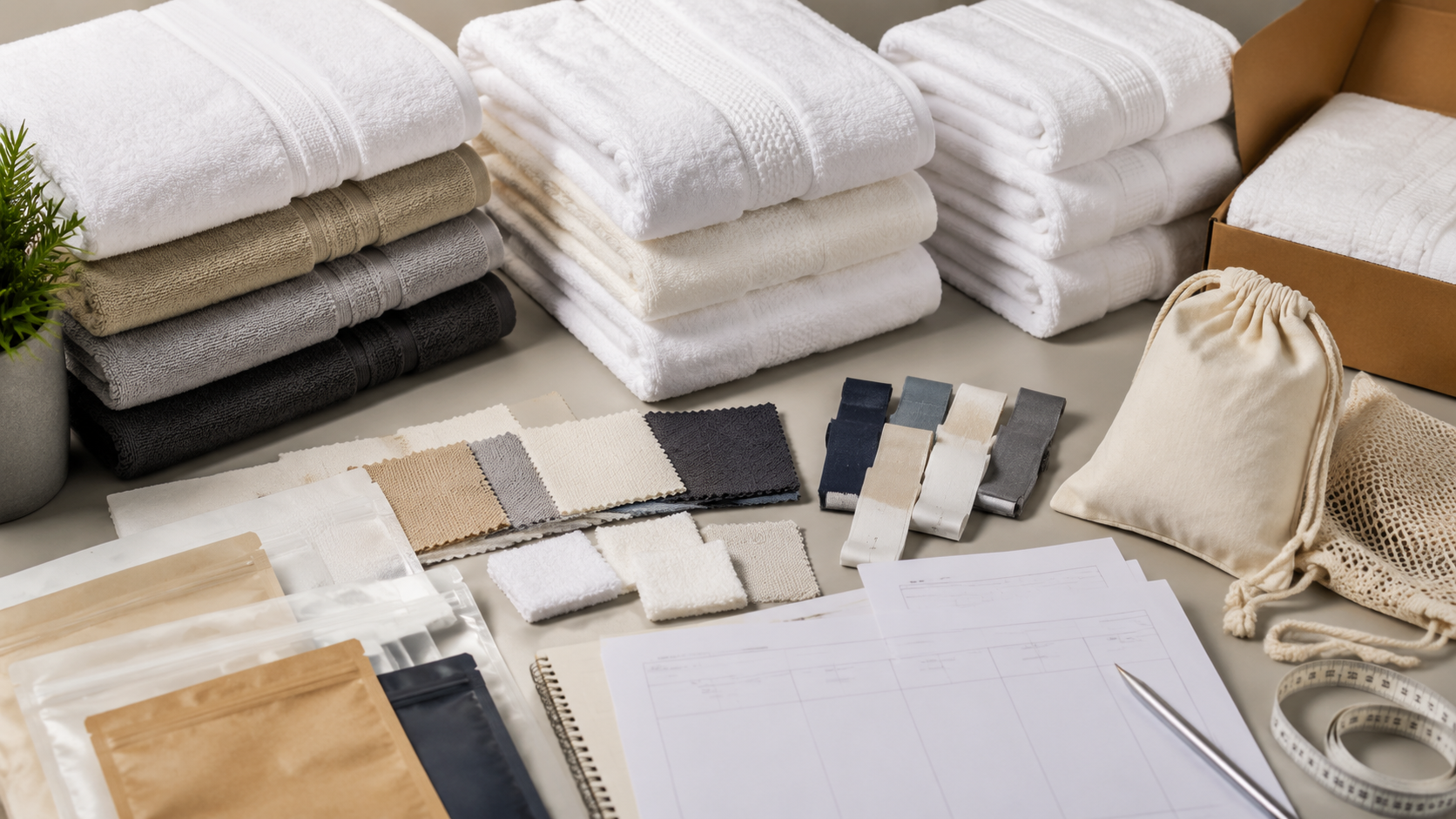
Use this page to make the first sample closer to the buyer's real target.
- Send the product role, reference photo, target size, material direction, color, logo, label, and packaging idea.
- State what the sample must prove: hand feel, size, logo, color, edge finish, set components, or packed presentation.
- Keep approved sample photos, final specification, artwork version, and packaging layout before bulk production.
A sample brief is a kindness to future you. It records the purpose of the sample, the open decisions, and the approval points, so the buyer does not have to reconstruct the story from scattered messages later.
Before sampling towels, blankets, or bedding, send the information that affects the sample result: reference photo, product type, size, material, GSM or weight, color, logo, label, packaging, quantity, destination market, and approval priorities. This reduces repeated clarification and helps the supplier prepare a more relevant sample.
Sampling is where a buyer's idea meets physical limits. A reference photo, artwork file, and short explanation can move the process forward, but the sample becomes much more useful when the buyer also states what they want to judge: hand feel, size, color, logo, packaging, price direction, or full retail presentation.
Send a reference photo or current product
A reference photo quickly communicates shape, folding, texture, color direction, packaging level, and market positioning. If you have a current product, send photos from multiple angles and measure it. If you are improving an existing product, explain what should stay the same and what should change.
List the core specification
The specification should include product type, size, material, GSM or weight, color, edge finish, closure, component list, or other category-specific details. For towels, include towel type, size, GSM, material, color, and logo. For blankets, include material, size, weight, edge finish, and season. For bedding, include component list, size chart, fabric, color, and closure details.
Provide artwork and brand details
If the sample includes logo, label, hang tag, or packaging, send artwork early. Include logo file, color reference, size, placement, label content, barcode, and packaging layout if available. If the artwork is not final, clearly mark it as reference only so the supplier does not treat it as approved production artwork.
Explain packaging expectations
Packaging can change the sample. A towel folded with a paper band, a blanket in a gift box, and bedding in a zipper bag all need different preparation. Send packaging reference, target fold style, bag or box type, label placement, and carton requirement if known.
It is also worth saying what kind of finish you do not want. Buyers sometimes think negative instructions sound too strict, but in practice they help the supplier avoid the wrong aesthetic from the start. A clear not-this note often saves more time than a vague request for something nicer.
State quantity and market context
Estimated quantity and destination market help the supplier judge whether the proposed material, packaging, and process are practical. A small test order, hotel replenishment program, retail launch, and ecommerce private label program may require different sample priorities.
Define how the sample will be judged
Before the sample is made, decide what matters most: hand feel, color, size, logo, packaging, stitching, absorbency direction, weight, or full retail appearance. Clear approval criteria help both buyer and supplier understand whether a second sample is needed and what should be adjusted.
A sample can fail for the right reason or pass for the wrong reason. For example, a buyer may love the hand feel but reject the folded packaging, or approve the logo but change GSM after reviewing weight. Writing the judgment points prevents one sample from being treated as approval for everything.
Send a sample brief that answers the supplier's first questions
A useful sample brief should tell the supplier what the sample is meant to prove. For towels, that may be GSM, texture, logo, or packaging. For bedding, it may be component size, fabric hand feel, closure, or set presentation. For blankets, it may be edge finish, weight, color, and packed appearance.
The clearer the sample purpose, the fewer rounds of avoidable revision. If the buyer is unsure about a detail, mark it as open and ask for a practical recommendation instead of pretending the specification is final.
Sample approval record before bulk order
Before bulk production, keep the approved sample photo, final specification, artwork version, color reference, packaging layout, carton mark, and written approval notes. This becomes the reference for production and later reorders.
If the buyer does not have a complete specification yet, that is normal. Send the reference, target use, and open questions clearly. The supplier can help narrow options, but the final approved sample should still be tied to a written brief.
- Product type and target use.
- Size, material, GSM or weight, color, and texture direction.
- Reference photo or current sample if available.
- Logo, label, packaging, barcode, and carton mark requirements.
- What the sample should prove before moving to bulk order.
- Do not request a sample from a vague product name.
- Do not approve a fabric swatch if the buyer actually needs a finished product sample.
- Do not leave packaging out of the sample if packaging affects sales presentation.
FAQ
Can sampling start with only a photo?
A photo is helpful, but the supplier still needs size, material direction, color, logo, packaging, and intended use to make the sample more accurate.
Should artwork be final before sampling?
For logo or private label samples, confirmed artwork is best. If artwork is not final, mark it as reference only.
What if I am not sure about GSM or material?
Explain the use case, target price level, and customer expectation. The supplier can suggest sample directions.
Should packaging be sampled together with the product?
Yes, when retail or private label presentation matters. Packaging fit and label visibility should be checked with the real product inside.