Towel Supplier Comparison
Custom Towel Manufacturers in China: How to Compare OEM Suppliers

A good custom towel manufacturer comparison is not only a price comparison. Buyers should compare the same towel specification, factory fit, OEM/private label support, sample process, quality checkpoints, packaging scope, and quotation assumptions.
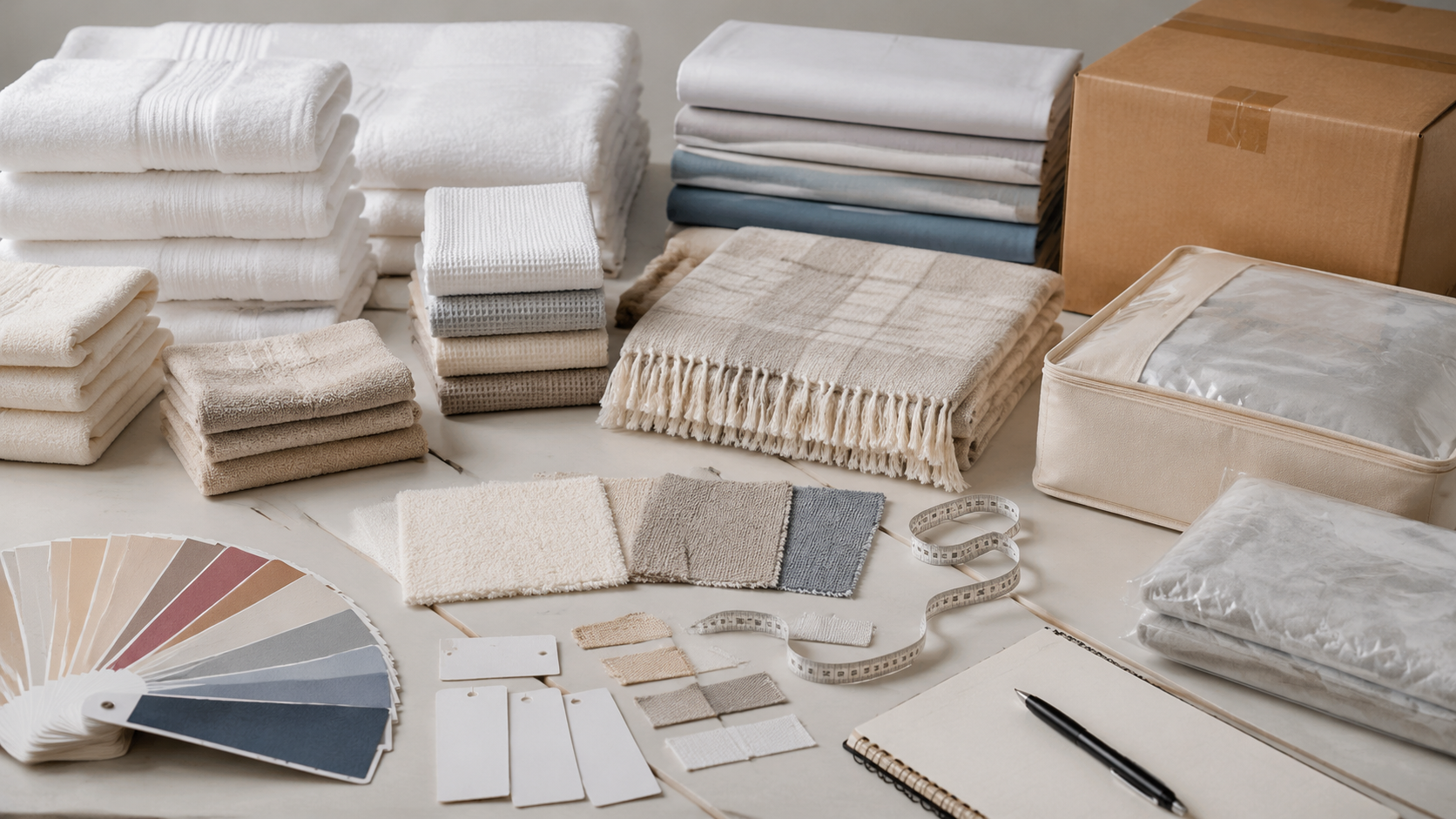
A useful supplier comparison keeps towel specification, branding scope, packaging, sample expectations, and quality checkpoints on the same basis.
In real projects, the first price is often just the beginning of the conversation. What matters more is whether the factory can explain the quote, repeat the specification back correctly, and handle the same order again later without changing the story.
When comparing custom towel manufacturers in China, buyers should look beyond a single unit price. A useful comparison includes factory capability, towel specification clarity, customization support, sample communication, private label packaging, quality checks, and quotation assumptions.
| Decision point | What the buyer should confirm | Why it matters |
|---|---|---|
| Same specification | Towel type, size, GSM, material, color, logo, label, packaging, quantity, and destination market. | A low quote may simply exclude packaging, logo, or a different GSM. |
| Factory fit | Product focus, equipment, sample communication, and whether the supplier understands towel-led programs. | A supplier may be real but still not practical for your specific towel category. |
| Private label scope | Labels, hang tags, paper bands, zipper bags, gift boxes, insert cards, and carton marks. | Brand owners and ecommerce buyers need full presentation, not only towel production. |
| Quality checks | Size, weight, stitching, color, logo, label placement, packaging, carton marks, and sample comparison. | Clear checkpoints reduce disputes before shipment. |
Use one controlled RFQ so supplier replies can be compared fairly.
- Send the same towel specification, logo scope, packaging requirement, quantity direction, and sample request to each supplier.
- Ask each supplier to list quotation assumptions, excluded items, and details that still need confirmation.
- Compare sample discipline, packaging understanding, inspection checkpoints, and communication quality before price alone.
A controlled RFQ turns supplier selection into an evidence-based conversation. The buyer can see who asks useful questions, who explains assumptions clearly, and who understands the difference between a sample, a quote, and a repeatable production order.
Search queries such as "custom towel manufacturer," "custom towel factory," "custom towel manufacturers," and "private label towel manufacturer" already appear in GSC data for the site. These are commercial queries, but the page must answer the buyer's real question: how do I compare suppliers without being misled by incomplete quotes?
A supplier comparison becomes more honest when the buyer stops asking, “What is your best price?” and starts asking, “What exactly are you quoting?” Two manufacturers can both quote a bath towel, but one may include a heavier GSM, private-label packing, carton marks, and sample approval steps while another quotes a plain towel with missing assumptions.
Compare the same towel specification
Ask each supplier to quote from the same towel type, size, GSM, material, color, logo, label, packaging, quantity, and destination market. If one quote includes packaging and another does not, the prices are not comparable. If one quote assumes a lower GSM or smaller size, it may look cheaper but not match the intended product.
Review factory capability and product fit
Aida Textiles is based in Gaoyang County, Baoding, Hebei, China. Confirmed public facts include a 10,000 square meter factory, 50-100 employees, 30 high-speed rapier looms, 10 air-jet looms, OEM/ODM support, and home textile product directions including towels, blankets, and bedding. These facts help buyers understand supplier background, but each project still needs a product-specific review.
Check OEM and private label support
Custom towel programs may involve size, GSM, material, color, embroidery, woven label, wash label, hang tag, paper band, zipper bag, gift box, barcode, carton mark, or other buyer-defined requirements. Ask which elements can be discussed before sampling and what artwork or files are needed.
Ask whether the factory fits your order type
A custom towel factory in China may be a good fit for one buyer and not the right fit for another. Before comparing suppliers, define the order type: OEM bath towels for a private label brand, hotel towel replenishment, bulk towels for a wholesaler, ecommerce towel sets, or promotional logo towels. The supplier's reply should show that it understands the buying channel, not only the towel name.
For brands and ecommerce sellers, the conversation should include packaging, labels, barcode or insert-card needs, and sample presentation. For importers and wholesalers, carton planning, repeat-order stability, and clear specification control may matter more. For hotels, spas, gyms, and promotional programs, the supplier should discuss use case, laundering or handling expectations, logo visibility, and delivery timing by project.
Evaluate sample process
A practical supplier should explain what the sample will confirm: hand feel, size, GSM, color, logo, label, packaging, or complete product presentation. If the first sample is based on vague information, the buyer may need multiple rounds of correction. A clear sample brief reduces wasted time.
Ask about quality checks and documentation
Useful checkpoints include size tolerance, finished weight direction, stitching, color consistency, label placement, packaging, pieces per carton, carton marks, and reference sample comparison. If the buyer needs certification-related documents, third-party inspection, or retailer-specific paperwork, those requirements should be discussed early and not assumed.
Watch for vague quotation language
A quote should state what is included and what is not included. Does it include logo? Does it include packaging? Is the quantity per color confirmed? Are sample fees, carton marks, and special labels included? Clear assumptions make supplier comparison easier.
Vague replies are not always dishonest, but they create sourcing risk. If a quotation does not state size, GSM, material, color, logo method, packaging, quantity, and sample basis, the buyer cannot compare it with another supplier's quote. The cheaper price may simply be a thinner product or a quote that excludes work the buyer still needs.
When a reply is too vague, it usually means the factory has not yet thought through the order path. That is not automatically a deal breaker, but it is a warning sign. A supplier that does not define assumptions early often creates confusion again at sample approval or production stage.
Compare factories with one controlled RFQ
When comparing custom towel manufacturers, use one controlled RFQ instead of asking each supplier a different question. The controlled RFQ should include towel type, size, GSM, material direction, color, logo method, labels, packaging, quantity direction, sample request, and destination market.
Then compare what each factory includes and excludes. A useful supplier comparison looks at assumptions, sample discipline, packaging understanding, communication quality, and inspection checkpoints—not only the first unit price.
Supplier selection records buyers should keep
Before selecting a supplier, keep the quotation basis, sample photos, approved specification, packaging layout, label artwork, inspection notes, and open questions together. This record makes repeat orders and supplier comparison much less risky.
If two factories seem difficult to compare, pause the price discussion and rewrite the RFQ. Once both suppliers quote the same towel specification, packaging plan, logo method, and sample goal, the buyer can judge communication, risk, and fit with far less noise.
- What exactly is included in the quotation and what is excluded?
- Can the supplier quote the same specification used by other suppliers?
- Which logo, label, and packaging elements can be discussed before sampling?
- What will the sample confirm and who approves the final reference?
- Which inspection points should be checked before shipment?
- Do not compare a plain towel quote with a private label packed towel quote.
- Do not treat certification requirements as confirmed unless documents and scope are available.
- Do not let vague sample instructions become the basis for bulk production.
FAQ
How do I compare custom towel manufacturers?
Send the same specification, packaging requirement, quantity, and sample request to each supplier, then compare quote assumptions and communication quality.
What should a custom towel factory ask before quoting?
Towel type, size, GSM, material, color, logo method, labels, packaging, quantity, destination market, and sample needs.
Can Aida Textiles support OEM and private label towels?
Aida Textiles supports OEM/ODM discussion and private label project requirements such as logo, labels, packaging, and samples by project.
Is a custom towel factory in China suitable for ecommerce brands?
It can be suitable when the project brief includes product positioning, towel specification, logo or label needs, packaging format, carton marks, and sample approval points. The supplier should understand the final sales channel before quoting.
Can I write certification claims on packaging?
Only if the certificate, product scope, validity, and wording are confirmed. Do not assume certification claims without documents.